What is a Kinkster?
A kinkster is someone who embraces alternative sexual interests, fantasies, or relationship dynamics that fall outside mainstream conventions. The term comes from the word "kink"—any sexual interest that differs from traditional vanilla sexuality—combined with the suffix "-ster" to describe someone who identifies with or practices these interests.
But here's the thing most articles won't tell you: being a kinkster isn't just about what you do in the bedroom. It's about who you are, how you think about intimacy, and often, a whole community you become part of.
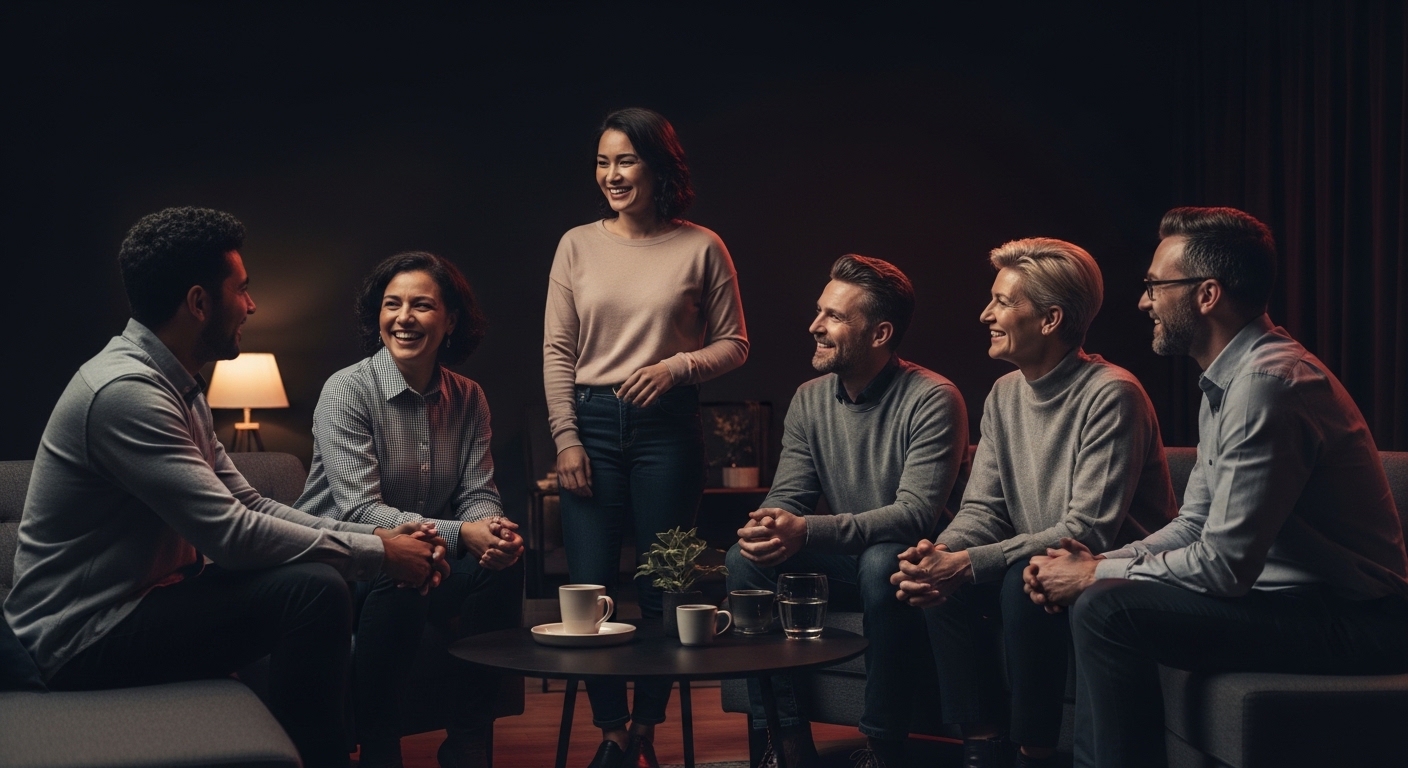
The Real Definition of a Kinkster
Let's cut through the confusion. You've probably seen a dozen different definitions online, each slightly different. Here's what actually matters:
A kinkster is anyone who:
- Has sexual interests, fantasies, or practices outside conventional norms
- May or may not act on these interests
- Often (but not always) identifies with or participates in the broader kink/BDSM community
Notice what's not in that definition: you don't need to be "extreme." You don't need to own a dungeon. You don't even need to have done anything—curiosity and interest alone can make someone a kinkster.
I've met people who've been practicing BDSM for decades who don't call themselves kinksters, and I've met folks who've only just discovered they have a thing for being tied up who proudly claim the label. The identity is yours to claim—or not.
Kinkster vs. Fetishist: What's the Difference?
People confuse these terms constantly, so let's clear this up:
| Term | Meaning | |------|---------| | Kinkster | Broad identity; someone with any alternative sexual interests | | Fetishist | Someone with a specific fixation (often on objects, materials, or body parts) | | BDSMer | Focuses specifically on Bondage, Discipline, Dominance, Submission, Sadism, Masochism |
Think of it this way: all fetishists and BDSMers are kinksters, but not all kinksters are fetishists or specifically into BDSM. Kinkster is the umbrella term.
Someone might be a kinkster because they're into role-play, or exhibitionism, or have a praise kink, or enjoy power exchange dynamics. None of those require a specific fetish object.
Signs You Might Be a Kinkster
Maybe you're reading this wondering, "Is this me?" Here are some common experiences kinksters share:
You've felt "different" about sex
Not wrong—just different. While friends talked about their dating lives in one way, something in your head was always adding a layer they weren't mentioning. Maybe you always imagined scenarios with power dynamics, or found yourself drawn to imagery others seemed indifferent to.
Vanilla sex feels... incomplete
This doesn't mean it's bad. But there's often a sense that something's missing. Like eating a meal that's perfectly fine but lacks seasoning. Many kinksters describe feeling like they were "going through the motions" before discovering what actually excited them.
You're drawn to intensity
This could manifest in many ways: wanting deeper emotional connection, craving physical sensation (pleasure or pain), seeking psychological edges, or desiring the vulnerability that comes with trust-based play.
You've had "weird" fantasies
I put "weird" in quotes because they're not weird—they're just yours. Maybe you've imagined being restrained, or restraining someone else. Perhaps being watched, or watching. Being controlled or controlling. These fantasies don't make you a kinkster by themselves, but if they've persisted and feel central to your sexuality, they might be pointing somewhere.

The Kinkster Community: More Than Just Sex
Here's what surprised me when I first entered the community: how much of it isn't about sex at all.
Yes, kink involves sexuality. But the kinkster community is also about:
Education and Skill-Sharing
Experienced practitioners teaching rope bondage techniques. Workshops on negotiation and consent. Classes on impact play safety. The community treats kink as a skill set that requires learning, practice, and mentorship.
Emotional Support
The kink community often becomes a support network. People who've felt isolated or "broken" for years suddenly find others who understand. There's immense power in realizing you're not alone.
Social Connection
Munches (casual meetups at vanilla venues like restaurants), play parties, conventions, online forums—kinksters build friendships and social lives around shared interests, just like any other community.
Philosophy and Ethics
Serious discussions about consent, power, vulnerability, and human psychology. The kink community has developed sophisticated frameworks for ethical practice that, frankly, vanilla culture could learn from.
Core Values Every Kinkster Should Know
The kink community isn't a free-for-all. It operates on deeply held principles:
1. Consent is Everything
This isn't just "no means no." In kink, we practice enthusiastic, informed, ongoing consent.
- Enthusiastic: Not just agreeing—actually wanting it
- Informed: Understanding what you're consenting to
- Ongoing: Consent can be withdrawn at any time
Violating consent isn't just frowned upon—it gets you excluded from the community. Period.
2. Communication Before, During, and After
Kinksters negotiate. Before any scene, partners discuss:
- What they want to try
- Hard limits (absolute no-go areas)
- Soft limits (things they're hesitant about)
- Safewords and signals
- Aftercare needs
This level of communication often makes kink relationships healthier than many vanilla ones.
3. Risk-Awareness
We acknowledge that some activities carry risks. The community has moved from "Safe, Sane, and Consensual" (SSC) to embrace "Risk-Aware Consensual Kink" (RACK)—acknowledging that "safe" is sometimes impossible, but informed risk-taking is valid.
4. No Judgment, But Standards
The community is radically accepting of diverse interests. Judgment-free doesn't mean standard-free though. Ethics around consent, honesty, and safety are non-negotiable.
How to Explore Your Kinkster Identity
If you're resonating with this and want to explore further, here's a practical path:
Start With Self-Reflection
Before diving into the community, spend time understanding your own interests:
- What fantasies recur for you?
- What aspects of sex have always felt most exciting?
- Are you drawn to giving control, receiving it, or both?
- What emotions do you want to experience in intimate settings?
Educate Yourself
Read. A lot. Some starting points:
- Online resources (like this kinktionary)
- Books: "The New Topping Book" and "The New Bottoming Book" by Dossie Easton
- Podcasts and educational YouTube channels
- Community forums and discussions
Find Your Community
When you're ready for real-world connection:
- Munches: Casual meetups at public venues. Low pressure, no play, just conversation
- Online communities: Forums, Discord servers, apps like KNKI
- Workshops: Educational events where you can learn and meet people
- FetLife: The largest social network for kinksters (though it has its critics)
Go Slow
There's no rush. Experienced kinksters will tell you: the ones who rush often get hurt (emotionally or physically) or hurt others. Take time to:
- Vet potential partners thoroughly
- Start with lower-risk activities
- Build trust incrementally
- Learn from observation before participation

Common Misconceptions About Kinksters
Let's address the myths that won't die:
"Kinksters are damaged/traumatized"
Research consistently shows kinksters are psychologically as healthy as—and by some measures healthier than—the general population. A 2013 study in the Journal of Sexual Medicine found BDSM practitioners scored better on measures of well-being, including lower anxiety and higher secure attachment.
"It's all about pain and abuse"
The vast majority of kink doesn't involve pain at all. And when it does, it's consensual, negotiated, and enjoyed by all parties. The difference between kink and abuse? Consent. Full stop.
"Only men are kinksters" / "Only men are dominant"
The community is genuinely diverse. All genders, all orientations, all configurations of dominance and submission. Some of the most skilled dominants I've met are women. Some of the most dedicated submissives are men. Stereotypes don't survive contact with reality.
"You need a partner to be a kinkster"
Nope. Plenty of kinksters are single, exploring independently, or engaging with community without a specific partner. Your identity isn't dependent on relationship status.
"Once you try kink, you can never enjoy vanilla sex again"
Some kinksters enjoy vanilla sex too. Others don't. Both are valid. Kink expands your palette—it doesn't necessarily eliminate options.
Kinkster Safety: Protecting Yourself
Whether online or in-person, safety matters:
Online Safety
- Don't share identifying information too quickly
- Video chat before meeting
- Check references within the community
- Trust your instincts about red flags
Meeting In-Person
- First meetings in public places
- Tell a trusted friend where you're going
- Have a check-in system
- Keep your own transportation
During Play
- Negotiate everything beforehand
- Use safewords (commonly: red = stop, yellow = slow down)
- Start slower than you think necessary
- Have safety tools accessible (scissors for rope, etc.)
Aftercare
- Plan for emotional and physical care after intense scenes
- This might include: cuddling, blankets, water, food, talking, or quiet time
- Aftercare needs vary by person—communicate yours
The Kinkster Lifestyle: What It Actually Looks Like
"Lifestyle kinkster" often refers to someone who incorporates kink into their daily life, not just bedroom activities. This might include:
24/7 Dynamics
Some couples maintain power exchange relationships around the clock. This doesn't mean constant "scenes"—it means the relationship structure includes ongoing elements of dominance and submission.
Protocols and Rituals
Daily practices that reinforce the dynamic: how partners address each other, decision-making processes, symbolic acts of service or control.
Community Involvement
Regular attendance at events, volunteering, teaching, mentoring newer members.
Identity Integration
For lifestyle kinksters, this isn't a hobby—it's part of who they are. Their kink identity integrates with their overall sense of self.
Not all kinksters are lifestyle kinksters. Many people engage in kink occasionally, keep it compartmentalized, or participate without it being a core identity. All approaches are valid.
Finding Kinkster-Friendly Partners
If you're looking for partners who share your interests:
Be Honest Early
Don't waste your time or others'. Mentioning you're "kink-friendly" or "interested in alternative lifestyles" early in dating helps filter for compatibility.
Use Kink-Specific Platforms
Apps and sites designed for kinksters (KNKI, FetLife, etc.) have higher concentrations of compatible matches than mainstream dating apps.
Attend Community Events
Munches and workshops are great places to meet people. The filtering is already done—everyone there has some interest in kink.
Have the Conversation
When you find someone promising, have explicit conversations about:
- Specific interests and experience levels
- Limits and boundaries
- What you're looking for (casual play, relationship, exploration)
- STI status and safer sex practices
Kinkster Etiquette: Unwritten Rules
The community has norms. Breaking them marks you as inexperienced at best, unsafe at worst:
At Events
- Ask before touching anyone or their equipment
- Don't interrupt scenes
- Don't photograph without explicit permission
- Respect dress codes
- Don't "out" people you see there
Online
- Don't send unsolicited explicit content
- "Dom" is earned, not self-declared to strangers
- Read profiles before messaging
- No means no—don't push
In Dynamics
- Negotiate before playing, not during
- Respect stated limits absolutely
- Check in during and after scenes
- Handle disagreements with communication, not retaliation
Frequently Asked Questions
What does kinkster mean?
A kinkster is someone who has sexual interests, practices, or fantasies that fall outside conventional mainstream sexuality. The term is an identity label that encompasses anyone involved in kink, BDSM, fetish practices, or alternative relationship dynamics. Being a kinkster doesn't require practicing any specific activity—having the interest or identity is sufficient.
How do I know if I'm a kinkster?
You might be a kinkster if you: have recurring sexual fantasies involving power dynamics, restraint, or unconventional scenarios; feel that "vanilla" sex is missing something; are drawn to intensity, trust, or psychological edges in intimacy; or find yourself curious about BDSM or alternative sexual practices. Ultimately, if the label feels right to you, you can claim it.
Is being a kinkster a mental illness?
No. Being a kinkster is not a mental illness. The DSM-5 (psychiatry's diagnostic manual) explicitly states that atypical sexual interests are only disorders if they cause distress or harm to others. Research shows kinksters score equal to or better than the general population on measures of psychological well-being, relationship satisfaction, and secure attachment.
What's the difference between kink and fetish?
A kink is any sexual interest outside mainstream conventions. A fetish is a specific type of kink where arousal is strongly tied to a particular object, material, body part, or scenario. All fetishes are kinks, but not all kinks are fetishes. "Kinkster" is the broader identity term.
Can you be a kinkster without having sex?
Yes. Many kinksters enjoy kink activities that don't involve sex, such as bondage, power exchange dynamics, or sensation play. Some people identify as kinksters based on fantasies alone without acting on them. Asexual kinksters also exist—people who enjoy kink for the psychological, emotional, or physical sensations without sexual attraction or activity.
How do kinksters meet each other?
Kinksters connect through: specialized dating apps and platforms (like KNKI), social networks (FetLife), munches (casual community meetups at public venues), workshops and educational events, play parties, kink conventions, and online forums and communities.
Is kink the same as BDSM?
BDSM is a subset of kink. BDSM specifically refers to Bondage/Discipline, Dominance/Submission, and Sadism/Masochism. Kink is the broader category that includes BDSM plus other alternative interests like role-play, exhibitionism, voyeurism, various fetishes, and non-BDSM power dynamics.
Are kinksters in healthy relationships?
Research indicates kinksters are at least as capable of healthy relationships as anyone else—and some studies suggest they may do better. The emphasis on communication, consent, and negotiation in kink communities often translates to stronger relationship skills. A study in the Journal of Sexual Medicine found BDSM practitioners scored higher on subjective well-being metrics.
Ready to Explore?
If you've made it this far, something here probably resonated with you. Whether you're ready to dive into the community, just exploring your own thoughts, or simply curious—that's all valid.
The kinkster community is vast, welcoming to newcomers, and full of people who once stood exactly where you're standing now. The only wrong move is pretending to be something you're not—whether that's pretending to have interests you don't, or pretending you don't have interests you do.
Your sexuality is yours. Your identity is yours. Welcome to the conversation.
This guide is part of the KNKI Kinktionary—a comprehensive resource for understanding kink terminology, community, and culture. Have questions or want to connect with other kinksters? Join the KNKI community and start exploring.